
CAT cabling uses electrical signals and can support gigabit speeds, but bandwidth is limited and performance decreases over longer distances. Fiber optic cabling transmits data using light, allowing for significantly higher speeds and far greater bandwidth, making it better suited for data-heavy applications like cloud computing, video conferencing, and large file transfers.
5 Big Differences Between CAT and Fiber Optic Cabling
When it comes to building a reliable, high-performing network, cabling matters more than many businesses realize. Two of the most common options—CAT (copper) cabling and Fiber Optic Cabling—serve different purposes and deliver very different results. Understanding the key differences can help you choose the right infrastructure for your current needs and future growth.
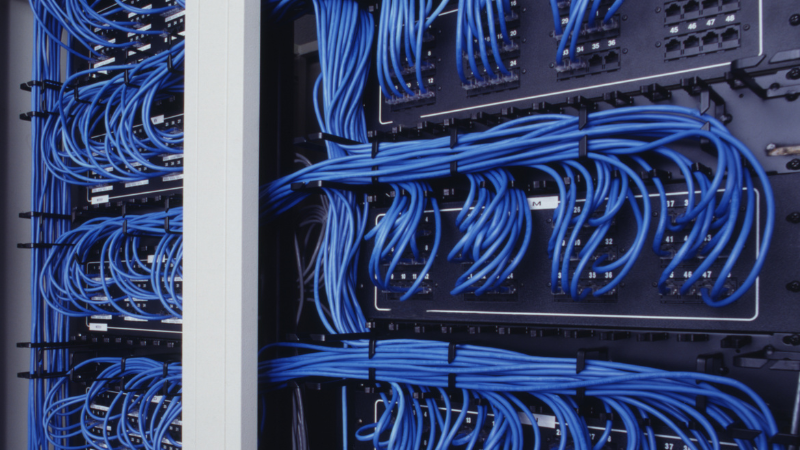
Structured cabling is the backbone of a business’s communication network, providing a reliable and organized system for all your technology needs. Investing in structured cabling not only ensures seamless connectivity but also reduces downtime and maintenance costs in the long run. By streamlining your business’s data and voice infrastructure through structured cabling, you are laying a strong foundation for future scalability and flexibility. It not only enhances efficiency but also adds value to your business operations by facilitating smoother communication, faster data transfer, and easier troubleshooting.
Both CAT and Fiber Optic Cabling have their advantages and disadvantages, and the choice between the two will ultimately depend on your business’s specific needs and requirements. Whether you prioritize speed, distance, interference resistance, ease of installation, or cost, understanding the differences between the two types of cabling can help you make an informed decision for your networking infrastructure.
5 Big Differences Between CAT and Fiber Optic Cabling
- Speed and Bandwidth
- Distance
Another key difference between CAT and fiber optics is the distance they can cover without experiencing signal loss. Fiber optic cables can transmit data over over thousands of feet without signal degradation, making it ideal for large office spaces or buildings. Copper cabling is generally limited to 328 feet (100 meters) before signal strength drops and performance suffers. Beyond that, additional hardware is required. - Interference
CAT cabling, while shielded to some extent, rely on electrical signals, they are more susceptible to electromagnetic interference (EMI) from power lines, machinery, and other electronics. Fiber is immune to EMI because it uses light rather than electricity. This results in a more stable, secure, and consistent connection—especially in industrial or high-density environments. - Cost and Installation
The installation and maintenance of CAT and fiber optics also differ significantly.CAT cabling is generally less expensive upfront and easier to install. For small offices or low-demand environments, it can be a practical and cost-effective solution. Fiber has a higher initial cost due to materials and specialized installation requirements. However, its longevity, performance, and scalability often deliver a better long-term return on investment.
- Scalability and Future-Proofing
Fiber is widely considered future-proof. It can support increasing speeds and new technologies without needing to replace the physical cabling, making it ideal for growing businesses. While CAT cabling can handle today’s standard business needs, it may struggle to support future bandwidth demands as technology evolves.
Both CAT and fiber optic cabling have their strengths and weaknesses. CAT cables are cost-effective and practical for short-distance, low-to-moderate bandwidth needs. Fiber optics, with their superior speed, bandwidth, and distance capabilities, are ideal for high-performance and long-distance applications. By assessing your current and future network requirements, you can select the cabling solution that best aligns with your goals.
Embracing structured cabling is a strategic move that can optimize your business’s productivity, enhance its competitiveness, and set you up for sustainable growth in today’s fast-paced digital landscape. Consulting with a professional, like WTS, means you’ll get a an expert assessment of your business’s needs. We can help you determine the best option for optimal performance and connectivity.
Want more information on our Structured Cabling services?Let’s talk. 843.236.6436.
Ready for IT that WORKS for your business?

Schedule a 15-minute meeting with our team.
- Managed IT Services
- Business Phone Systems
- Managed Print
- Cybersecurity
- Cloud Services
- Data Cabling